

In Japan and not sure what to do?

Clear answers.Right when you need them.

Prepare before your trip and get clear, practical help when something goes wrong in Japan.

Choose the help you need

Already in Japan?

Start with the problem in front of you

Use the guide for the missing document, missing device or heat symptoms you are dealing with now. For immediate medical danger, call 119 first.

I need help with...

Japanese and English language support icon
Free practical tool

Need to show someone what you mean?

Open a large Japanese message for stations, shops, pharmacies, hospitals and emergencies.

Open Japanese phrase cards
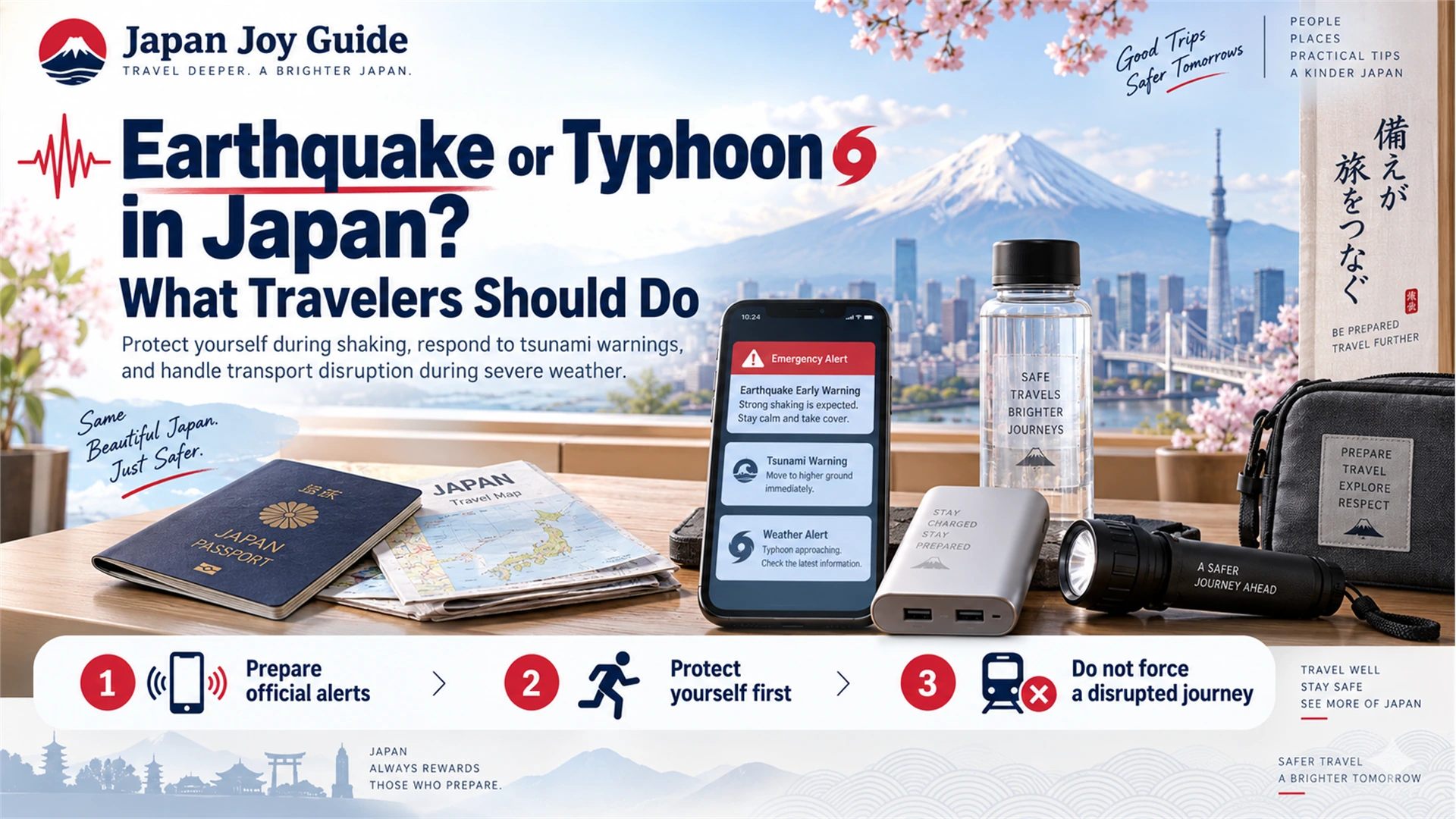
Earthquake & typhoon safety

Know what to do before an earthquake or typhoon

Protect your head during strong shaking, move away from the coast after a tsunami warning, and avoid unnecessary travel during a typhoon. Install official alerts before you need them.

Read the safety guide Get the official Safety Tips app
Earthquake and typhoon safety steps for travelers in Japan
Important travel updates

Check these before your trip

Prepare entry, money, health and dietary essentials before they become problems in Japan.

?

Popular help topics

Start with the problem in front of you.

Credit card payment problem icon

Foreign card not working?

Smartphone Wi-Fi connection icon

No internet connection

Lost suitcase and search icon

Lost items in Japan

Japanese train and bus icon

Train and bus guide

Hospital and ambulance icon

I need to see a doctor

Recycling and garbage bins icon

Garbage and trash rules

Japanese hot spring icon

Onsen and bathing etiquette

Shinto shrine icon

Shrine visit and prayer etiquette

iFrom a real visit

I spent 30 minutes looking for food at Tokyo Station before finding a satisfying set meal. Here is the shop and how to check its gate-side location.

Read the Tokyo Station visit →
iNew guide

Leave a suitcase at a Tokyo station or nearby counter and collect it at Haneda or Narita? Compare the actual same-day routes and flight-day deadlines.

Check airport luggage delivery →
!

Rules & manners in Japan

Know what is expected without overthinking it.

Emergency numbers in Japan

Choose the right number

Call only when an immediate response is needed. Be ready to give your location first.

119
Ambulance or fire

Call 119
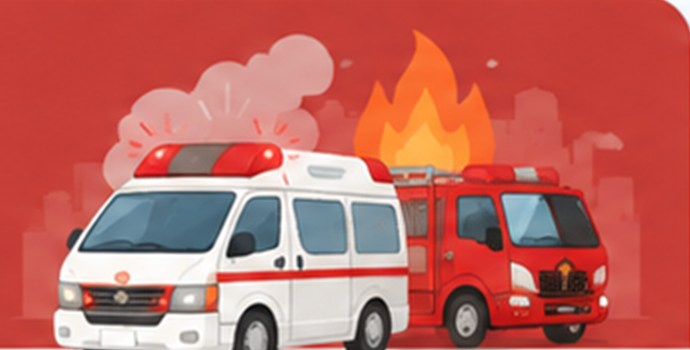
Ambulance and fire engine

Use 119 for

  • Unconsciousness, abnormal breathing, severe chest pain or heavy bleeding
  • A serious injury or another condition that appears immediately life-threatening
  • Fire, smoke or a suspected fire emergency

Not for: mild illness, routine medical advice or finding an ordinary clinic.

What to say

  1. Say “Ambulance” or “Fire.”
  2. Give the address or a nearby station, building or intersection.
  3. Explain what happened, the person’s condition and approximate age.
  4. Give your name and callback number, then follow the dispatcher’s instructions.
Call 119 now
110
Urgent police response

Call 110

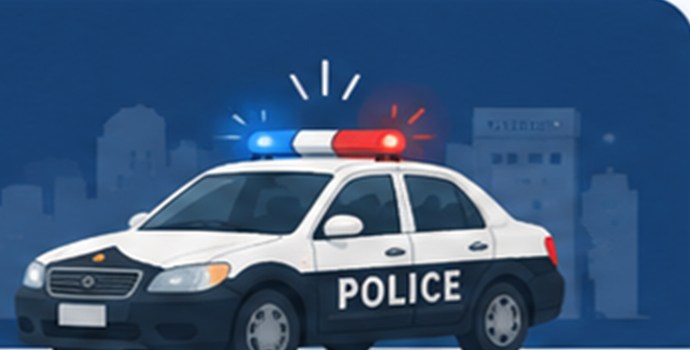
Japanese police car

Use 110 for

  • A crime in progress, violence, an intruder or an immediate threat to safety
  • A serious traffic accident or another incident requiring police now
  • An urgent situation in which a suspect has just fled

Not for: ordinary lost property, directions or a non-urgent police consultation.

What to say

  1. Give your location or the nearest clear landmark.
  2. Explain what happened and when it happened.
  3. Describe any suspect, vehicle or direction of travel if relevant.
  4. Give your name and callback number, then follow the dispatcher’s instructions.
Call 110 now
Not an emergency?For a non-urgent police consultation, call #9110. Language support varies by area.
Travel assistanceJNTO Japan Visitor Hotline: 050-3816-2787, 24 hours a day in English, Chinese and Korean.
Open the medical help guide → Earthquake & typhoon guide →

Emergency guidance follows Japan’s National Police Agency, Fire and Disaster Management Agency, and JNTO visitor guidance. In an emergency, follow the dispatcher’s instructions.

Our promise

Useful first. Always.

Japan Joy Guide answers your problem clearly before suggesting anything else. Relevant bookings or services appear separately and are clearly labeled.

Clear, practical guidanceReliable emergency informationTransparent affiliate labels